In recent years, our society has begun to question the old adage, “pull yourself up by your bootstraps.” For good reason, many people have recognized the harm in expecting individuals to suppress their emotions and simply push through adversity. This mindset creates around normal emotional experiences, minimizes the importance of health and wellbeing, and overlooks the reality that access to resources and support is not equally distributed.
While these criticisms are valid, I wonder if we have dismissed the phrase entirely without considering whether there is something valuable worth preserving. Dare I say, have we “thrown the baby out with the bathwater?” At the risk of mixing metaphors, what if there is an upside to being able to “pull yourself up by your bootstraps”?
Culturally, we default to thinking in absolutes – it’s all or nothing. Something is either entirely good or entirely bad. From an evolutionary perspective, this tendency likely served an important purpose when survival depended on making split-second decisions. Being able to categorize situations quickly was an advantage. Even today, our brains naturally sort information into categories with very little conscious effort. I know this tendency well. My instinctive reaction is often to see situations as either all good or all bad. It takes intentional reflection to step back, recognize the nuance, and see the bigger picture.
To be clear, I am not suggesting that people should simply “try harder” in the face of systemic barriers or that we minimize the harm experienced by marginalized and minoritized communities. Nor am I suggesting that resilience alone can overcome inequitable systems. Those realities deserve acknowledgment, accountability, and meaningful change.
Instead, I am reflecting on the phrase as a colloquial expression of perseverance in the face of life’s inevitable challenges.
What if we made room for both? What if we encouraged people to keep moving forward while also validating their emotional experiences? What if resilience and emotional processing were not competing ideas but complementary ones?
The problem with all-or-nothing thinking is that only one of these perspectives can be true. I would argue that we need to hold space for both. We need opportunities to build resilience. There is tremendous value in discovering that we can do hard things, overcome obstacles, and grow through adversity. Those experiences build confidence, courage, self-efficacy, and hope.
At the same time, we need space to acknowledge the impact of those experiences. We need healthy ways to process emotions, complete the stress response cycle, let go of what no longer serves us, and carry forward the lessons that help us grow. Resilience without reflection can lead to burnout. Reflection without action can leave us feeling stuck. Sustainable well-being requires both.
One of the greatest privileges of my work as a health and wellness coach is witnessing this balance come to life. I have the opportunity to watch clients move from contemplating change to taking meaningful action and, ultimately, sustaining that change over time. Their progress is not built on ignoring hardship. It is built on acknowledging the challenges they have faced, honoring their emotions, and choosing—again and again—to move toward the life they want anyway.
There is something profoundly empowering about watching someone define their own vision of health and well-being and then discover they are capable of creating it.
If you find yourself caught in patterns of all-or-nothing thinking, or if “pulling yourself up by your bootstraps” no longer feels like enough, health and wellness coaching may offer a different path. Together, we can cultivate a way of thinking and living that embraces both resilience and self-compassion—helping you move toward your own vision of your best state of health.
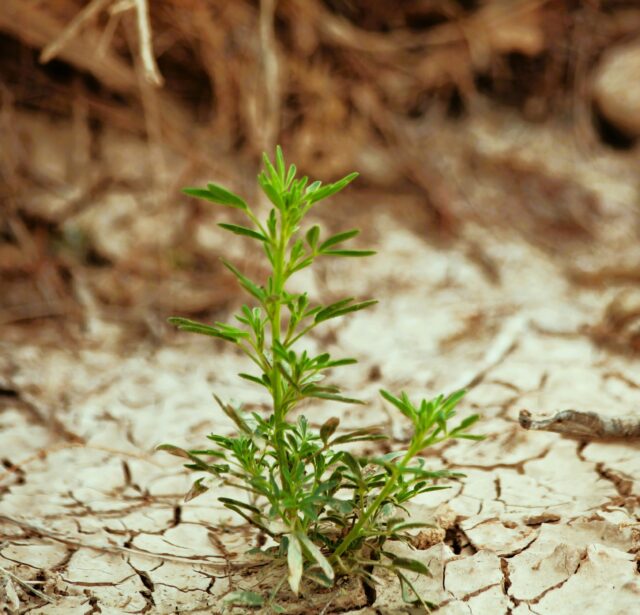
Photo by Mourad HARKAT on Unsplash